
Myth vs. Reality: Is the 'SUV Coupe' Silhouette Actually Functional?
A breakdown of the aerodynamic gains versus the substantial cargo and headroom penalties in the SUV coupe segment.

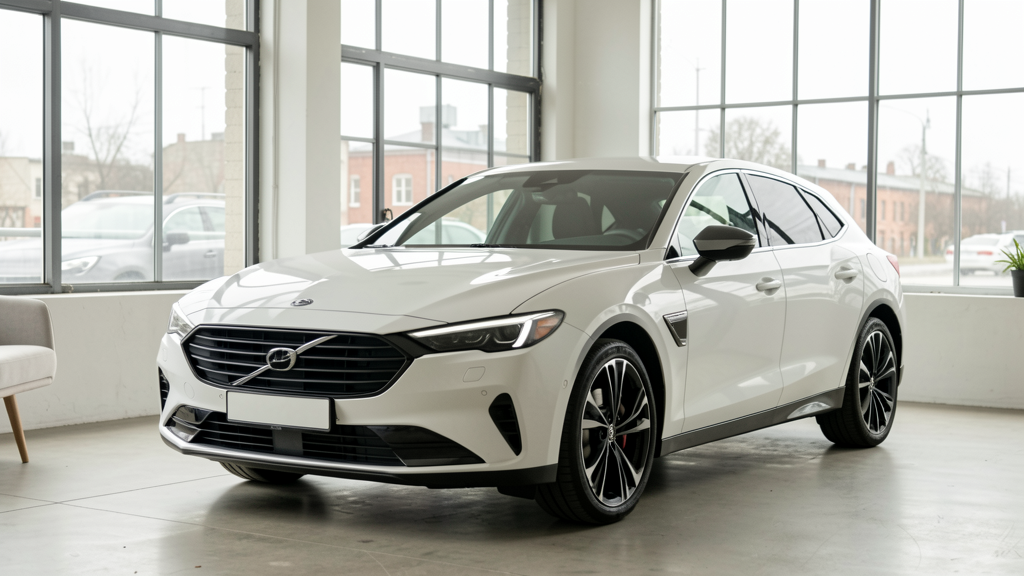
The automotive marketplace in 2026 is saturated with the "SUV Coupe" bodystyle. Originally popularized by niche German luxury divisions, this silhouette—characterized by a sloping rear roofline that mimics a fastback sedan—has trickled down to mass-market crossovers. Manufacturers market these vehicles as combining the versatility of an SUV with the sporting dynamics of a coupe. However, the physics of packaging suggests that prioritizing form over function yields tangible compromises. To determine if the aesthetic upgrade is worth the penalty, one must evaluate the data regarding aerodynamics, cargo capacity, and ergonomics.
1. Analyze the Drag Coefficient Data
Proponents of the SUV coupe argue that the primary functional benefit is aerodynamic efficiency. A lower, sweeping roofline reduces the frontal area and allows air to transition more smoothly over the rear of the vehicle, potentially lowering the drag coefficient ($C_d$). In an era where extending electric range is paramount, every decimal point in aerodynamic drag counts.
When examining the specifications released by manufacturers, the differences are measurable but often marginal compared to the boxy counterparts. For instance, the 2026 BMW X4 utilizes a roofline that drops significantly toward the rear, achieving a drag coefficient of roughly 0.30. By contrast, the mechanically identical and boxier BMW X3 lists a $C_d$ of approximately 0.32 to 0.34, depending on the specific trim and wheel size. While the X4 is statistically slipperier, the real-world fuel economy or range improvement is typically a gain of only 1 to 2 mpg, or perhaps 10 to 15 miles of range in an electric equivalent.
This indicates that while the shape is functional in the strict physics sense, the utility derived from this minor efficiency gain is disproportionate to the visual impact it creates. The wind tunnel savings are often negated anyway by the wider wheels and performance tires that frequently come standard on these coupe trims, which increase rolling resistance. This prioritization of style aligns with broader industry trends where design choices can sometimes overshadow practical utility, a critique also relevant to recent sedan updates.
2. Measure the Cargo Volume Sacrifice
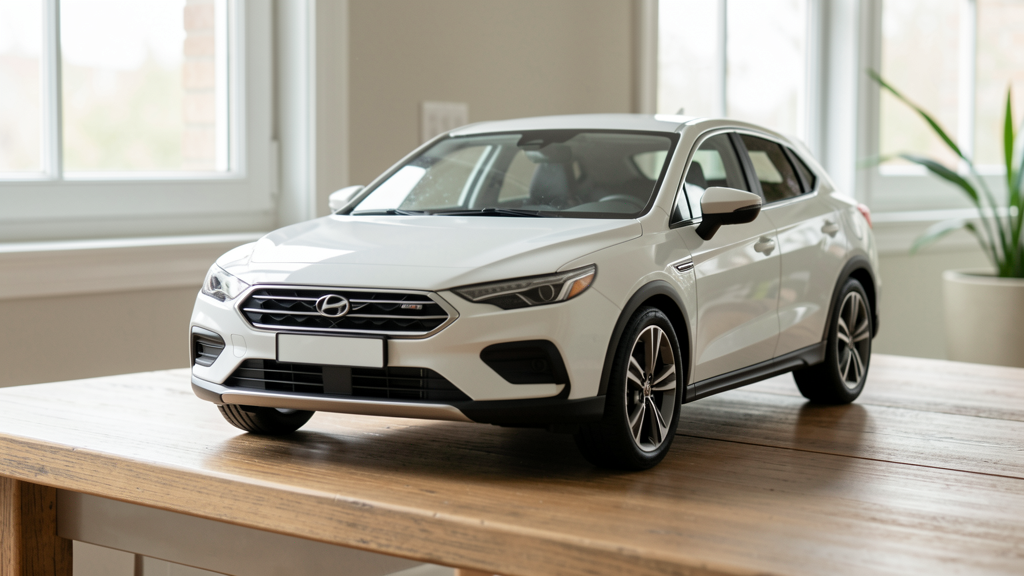
The most significant compromise in the SUV coupe formula lies in the cargo hold. The sloping roofline inevitably intrudes into the trunk space, reducing the cubic footage available behind the rear seats and altering the shape of the storage area.
Looking at the segment benchmarks, the penalty is severe. The Mercedes-Benz GLC Coupe, a strong seller in this category, suffers a substantial reduction in maximum cargo capacity compared to the standard GLC. While the standard GLC SUV offers approximately 22 cubic feet of space behind the second row, the GLC Coupe sees that figure shrink to nearly 16 cubic feet. That is a reduction of over 25%.
The issue is not just the total volume, but the utility of that volume. The standard square opening of a traditional SUV allows for stacking boxes, suitcases, or golf bags vertically. The coupe’s sloping hatch creates a taper that often limits the height of objects that can be stowed without obstructing the rear window. Furthermore, the load floor in coupe variants is often higher to accommodate the suspension components required for the raked stance, further eating into usable depth. For a buyer utilizing an SUV for family duties or road trips, this loss in stowage turns the vehicle from a hauler into a two-seater with a very large shelf.
3. Test the Rear-Seat Ergonomics
The aggressive roofline does not stop at the trunk; it continues to encroach on the rear passenger compartment. Before signing a check for an SUV coupe, potential buyers must physically evaluate the rear headroom.
In traditional SUVs, the upright seating position allows adults to sit comfortably without their hair brushing the headliner. In the coupe variant, the roof drops aggressively after the B-pillar. In models like the X4 or the Porsche Cayenne Coupe, rear headroom can be reduced by 2 to 3 inches compared to the standard models. This reduction transforms the rear seats from a usable space for adults into a "occasional" zone suitable primarily for children or shorter passengers on short trips.
This ergonomic deficit is often compounded by the inclusion of massive panoramic glass roofs. While these features open up the cabin visually, the structural mechanism and the glass itself sit several inches higher than a solid roof would, eating into the already limited vertical clearance. The "claustrophobic" feeling for rear passengers is a frequent complaint in owner satisfaction surveys, contrasting sharply with the airy feel of the boxier alternatives. It is worth comparing this to vehicles that genuinely prioritize interior volume, such as the Mazda CX-90, where the focus remains on maximizing passenger space rather than silhouette drama.
4. Weigh Depreciation Against Design
A critical step in this evaluation process is looking at the long-term financial implications of choosing a style-focused vehicle. Historically, trend-dependent body styles tend to depreciate faster than conservative, utilitarian designs.
Once the initial novelty of the sloped roofline fades, the used market often penalizes these vehicles for the very compromises identified in the previous steps: lack of space and lack of visibility. Dealers and private buyers often view the standard SUV models as the "safe" choice, meaning coupes sit on lots longer. Data from residual value forecasters suggests that luxury SUV coupes can lose anywhere from 2% to 5% more of their value over a three-year lease term compared to their upright siblings.
This depreciation is the "hidden cost" of the sporty look. While the buyer enjoys the aesthetics during the ownership period, they pay for it twice: once in the form of reduced functionality and again in the form of higher total cost of ownership due to steeper value loss. The demand for these vehicles is heavily front-loaded; they are desirable when new, but as they age and the next design trend emerges, the practical flaws that were ignored during the initial purchase become major sticking points for second-hand buyers.
The Final Verdict on Utility
The SUV Coupe is a triumph of marketing over utility. The functional aerodynamic benefits are minimal and often erased by optional equipment, while the penalties in cargo capacity and passenger comfort are severe and permanent. The data confirms that the "sport" in these Sport Activity Coupes is almost entirely visual.
This does not make the vehicles bad; it simply reclassifies them. They are not SUVs in the traditional sense of "Sport Utility Vehicles." They are tall, all-wheel-drive hatchbacks or four-door GTs. If the buyer’s priority is moving people and things, the traditional boxy silhouette remains the superior engineering solution. However, if the priority is making a statement on the curb and the rear seats are strictly for decorative purposes, the coupe silhouette delivers exactly what it promises: style, at the expense of substance. The market shift toward these designs highlights a broader reality where the visual identity of a car often outweighs its operational purpose in the consumer's mind.
Sources
To dig deeper and verify the data, see:
Read next
Does the 2024 Mazda CX-90 Inline-6 Redefine the Family SUV Segment?
Mazda's large Inline-6 engine choice for the CX-90 challenges industry downsizing trends by prioritizing torque bandwidth and vehicle balance over peak efficiency metrics.
The Four-Cylinder Shift: Why Hypercars Are Downsizing for Speed
Cylinder counts are dropping, but lap times are not; here is why top-tier engineering favors the turbocharged inline-4 over the V8 for hybrid hypercars.